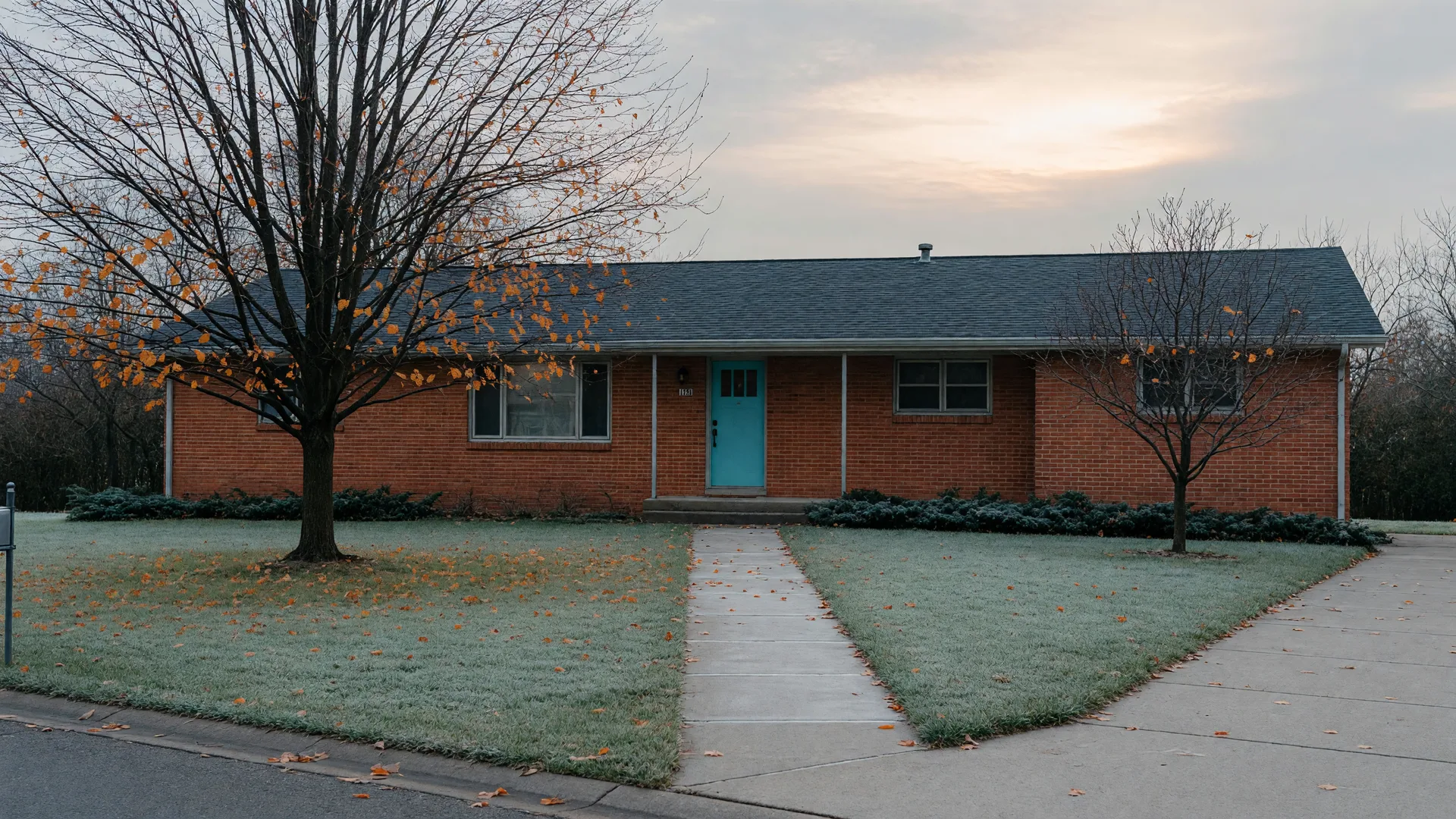
An empty house is a happy home for problems. With nobody there to hear a dripping pipe or notice a draft, small issues become expensive ones, and a Northwest Indiana winter does not forgive neglect. Whether the home belongs to a parent in the hospital or assisted living, or it was inherited this year, the same rule applies: protect the house before the first freeze. This checklist helps families across Lake, Porter, and LaPorte counties keep a vacant home safe, insured, and marketable through the coldest months.
The Golden Girls of Real Estate walk through empty family homes every fall. We have seen the difference between a house that was winterized early and one that was not, and the cost difference is usually measured in thousands of dollars. Here is what we tell every family facing a vacant home this season.
Key Takeaways
- ✓Keep the heat on at 55 degrees at minimum, shut off and drain the water where possible, and locate the main shut-off valve before a pipe bursts
- ✓Call your insurance agent about the home sitting vacant; many homeowners policies change once a house is unoccupied for a stretch
- ✓Arrange a regular check, a trusted neighbor, a family member, or a weekly walk-through, so problems surface while they are still small
- ✓Keep the outside cared for: snow cleared from walks, gutters clean, trees trimmed, so the home stays safe and presentable
- ✓A winterized home can be listed in any season, and serious buyers shop all winter in Northwest Indiana
Why Empty Houses Are Riskier in Winter
An occupied house announces its problems: a drip wakes someone, a draft gets mentioned, a strange smell gets investigated. An empty house keeps quiet about all of it. In the lake-effect communities of Porter and LaPorte counties, including Valparaiso and Michigan City, temperatures can hold below freezing for days on end. That is exactly when a pipe freezes, an ice dam forms, or a roof leak starts, and nobody notices until the damage is done.
The Freeze-Proof Checklist
Start with the thermostat. Keep the heat set at 55 degrees or higher all winter; turning it off to save money is the most expensive mistake a family can make. Open the vanity cabinets under sinks along exterior walls so warm air reaches the plumbing, and insulate exposed pipes in the basement, garage, and attic, where the cold bites first.
If the house will sit empty through the whole season, shut off the main water valve and drain the system: open every faucet, flush the toilets until the tanks empty, and drain the water heater if you can. If the home is being shown to buyers, keep the water on and the heat up instead. Either way, make sure every adult child knows where the main shut-off valve is, because a burst pipe with no one home is a whole-house flood.
Insurance, Utilities, and a Watchful Neighbor
Call the insurance agent and say plainly that the home is vacant. Many homeowners policies limit or exclude coverage for houses left unoccupied beyond a certain number of days, so the agent may add a vacant-home endorsement. Also confirm the liability coverage, because a delivery driver slipping on an icy walk could make a claim against the estate. Keep the utilities connected so the heat runs and any alarm or timer works, and keep a schedule for snow removal on the walks and driveway so the property stays safe and looks cared for.
Then invite one watchful person in: a neighbor, a nearby relative, or a trusted caretaker who can do a weekly walk-through. A quick check of the thermostat, the basement floor, and the roofline catches ninety percent of winter problems before they grow. If no one close can help, ask us about property caretakers and check companies we have recommended to other families.
When Winter Is the Right Time to List
A protected, presentable home can be listed in any season, and winter has real advantages: less competition, serious buyers, and curb appeal from a fresh snowfall instead of a June lawn. Our guide to selling a home in fall or winter explains the staging and timing that work in the cold. If the family is not ready to sell, no timeline is required; the goal this winter is simply to keep the house safe, insured, and ready for whatever decision comes next.
"Every fall we tell families the same thing: protect the house before the snow, and winter becomes something you manage instead of something that manages you. A vacant home is only a problem if nobody is watching it."
The Golden Girls of Real Estate
Related Resources
The First 30 Days After a Parent Passes what to protect and what can wait, week by week. When to List the Family Home a caring timing guide for families after a loss. Winter-Ready Aging in Place a winter checklist for a parent still at home. Selling in Fall or Winter the seasonal listing guide for seniors and families. Contact the Golden Girls for a no-pressure conversation about a vacant family home.
For independent winter-preparedness guidance, AARP publishes practical home and safety resources, and the State of Indiana website links to cold-weather and emergency services for residents.