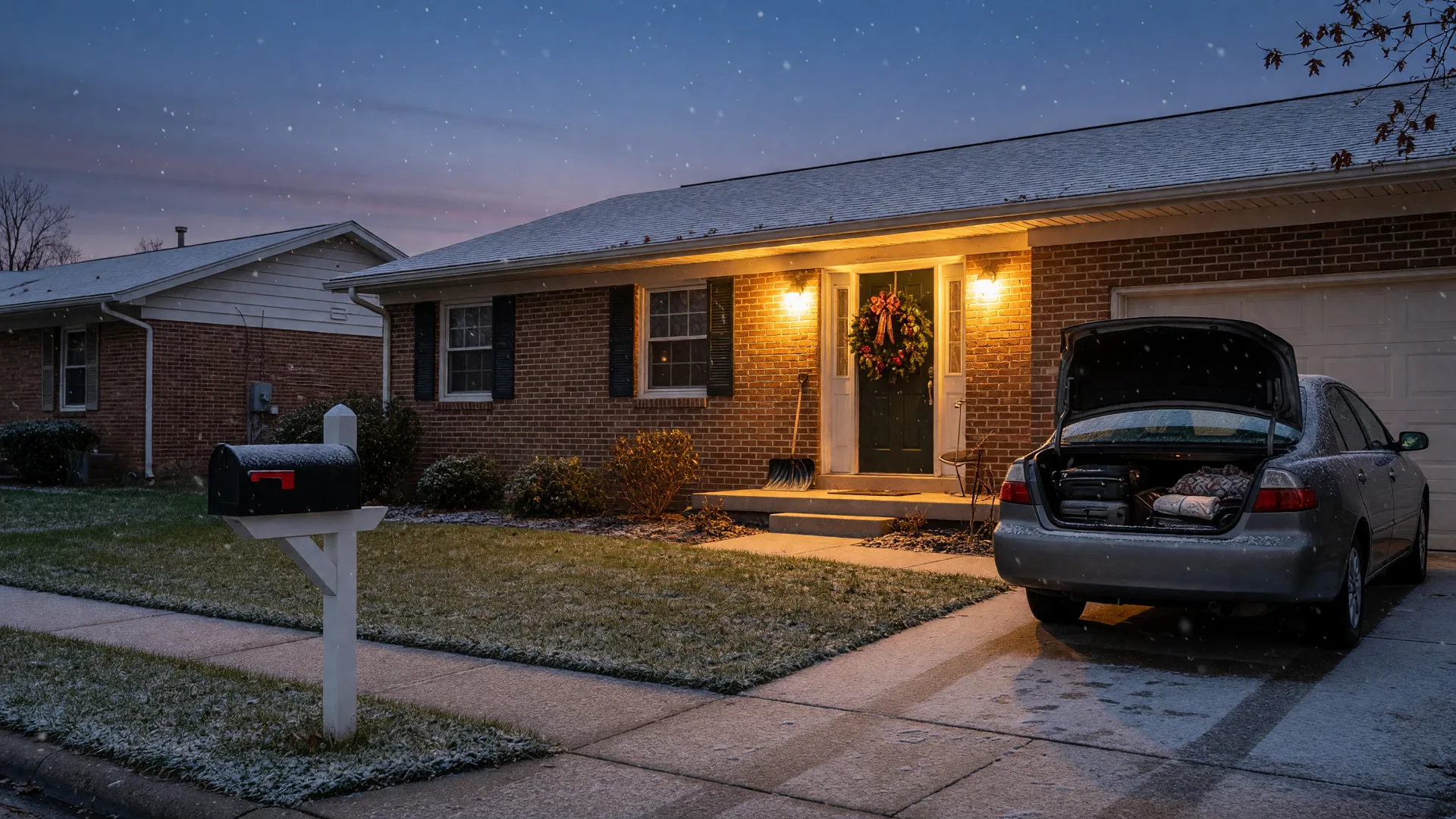
If you are headed south for the winter and keeping your Northwest Indiana home, you are part of a long and sensible tradition. Many retirees winter in Florida or Arizona and return to Lake, Porter, or LaPorte counties each spring to be near family, doctors, and familiar neighbors. The only real challenge is leaving the house safe through a Northwest Indiana winter. This guide walks through what to protect, what to arrange, and who to call before you lock the door.
At the Golden Girls of Real Estate, we help snowbirds keep their homes safe from a distance, and we have seen what a little planning prevents. A calm afternoon of preparation means a winter without worry calls.
Key Takeaways
- ✓Protect the water, the heat, and the insurance first: drain exterior spigots, keep the home near 55 degrees, and confirm vacancy coverage
- ✓Have the furnace serviced before you leave and consider a smart thermostat that reports the home's temperature to your phone
- ✓Arrange snow removal, lawn care, and a trusted check-in so the home looks lived in and stays protected all winter
- ✓Stop the mail, hold the newspapers, and put interior lights on timers so the house reads as occupied, not empty
Protect the Water and the Heat First
The disasters that spoil a snowbird winter are almost always frozen pipes and furnace failures. Shut off and drain exterior spigots, disconnect garden hoses, and keep the interior temperature around 55 degrees, which is the standard protection against frozen plumbing. Leave cabinet doors under sinks open so warm air reaches the pipes, and have the furnace serviced before you go. If the home will sit truly empty, consider turning off the water at the main valve and draining the lines, and ask your check-in person to run the taps after the first hard freeze. Our guide to winterizing an empty house walks through the full checklist step by step.
Confirm the Insurance Before You Lock the Door
Call your agent with two direct questions: does your homeowners policy cover a vacant home, and what conditions does it require? Many policies change once a house sits empty for 30 days or more, adding requirements like keeping the heat on or the water shut off. Some insurers also reduce the premium during winter vacancy, so the call can save money as well as protect it. Get the answers in writing before you head south, and keep the agent's number handy for the season.
Make the House Look Lived In
An empty house that looks empty invites trouble. Stop the mail and hold the newspapers, or ask a neighbor to collect them. Put interior lights on timers so the living room and a bedroom glow at night. Arrange for snow to be cleared from the driveway and walk, even if no one is home, because a cleared drive reads as occupied and protects the walk from ice damage. A neighbor or a paid check-in service can walk the house, look for drips, and catch problems early. In lakefront towns like Michigan City and Portage, a watchful neighbor is worth more than any security system.
Use Technology for Peace of Mind
A little technology goes a long way from 1,200 miles away. A smart thermostat reports the home's temperature to your phone and can alert you to a furnace failure. A smart water leak detector near the water heater and under sinks sends an alert before a drip becomes a flood. A video doorbell lets you see who is on the porch, and a simple indoor camera gives you eyes on the living room. Set these up before you leave and test them while you are still home, so the season south is calm.
Keep the Home Ready for Your Return
A little year-round care makes the return sweeter. When you get home in the spring, schedule the furnace inspection you skipped, check the roof and gutters, and look over the water heater and appliances. Staying ahead of the small repairs keeps the snowbird home ready for next winter. Our seasonal home care guide for seniors keeps a year-round maintenance rhythm that fits a part-time home.
"The snowbird families we serve are the best planners we know. They protect the pipes, line up the snow removal, and enjoy their winters south without a single worry call. A little preparation buys a whole season of peace of mind."
The Golden Girls of Real Estate
How the Golden Girls Help
We help snowbirds keep the home safe and the paperwork straight from a distance. We can recommend trusted local services for snow removal, lawn care, and check-ins, and connect you with maintenance and insurance help. When the time comes to sell or rent the snowbird home, we know the market in Michigan City, Portage, and across the region. Start through our contact page and tell us your travel dates and where the house sits.
Related Resources
Winterizing an Empty House the full vacant-home checklist, step by step. Seasonal Home Care for Seniors a year-round maintenance rhythm for a part-time home. Michigan City lakefront living on the LaPorte County shore. Moving Closer to Family for snowbirds ready for a more permanent change. Contact the Golden Girls for trusted local help while you are away.
For reliable winterizing and home-safety guidance, AARP's home and family resources offer practical, plain-language advice, and the official State of Indiana website links to utility and consumer resources across the state.